
For years, brands chased the exact same look: clean lines, perfect lighting, and minimal text. But today’s consumers are exhausted by polished perfection, giving rise to chaos packaging and unpolished aesthetics. To get noticed in a crowded market, smart brands are doing the exact opposite; lowering their production value and placing products in unexpected packaging formats.
This is the era of “cringe marketing” and chaos packaging. It might sound ridiculous, but it is one of the most profitable ways to capture attention today.
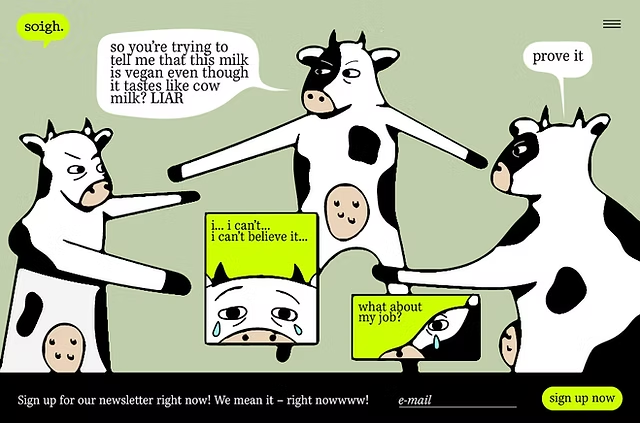
What is Cringe Marketing?
“Cringe marketing” is not about being embarrassing on purpose. It is about being raw, unpolished, and intensely human.
When you scroll through TikTok or Instagram Reels, a highly produced commercial feels fake. It makes you swipe past immediately. But a video shot on a shaky smartphone with harsh lighting and bold, chaotic text overlay feels real. It feels like a post from a friend. Brands are intentionally avoiding professional camera gear because a lower production value builds more trust. It proves there is a real person behind the business, not just a faceless corporate marketing team.
What is Chaos Packaging?
Chaos packaging takes this rebellion to the physical world. It involves placing everyday products in unexpected packaging formats, creating a contrast that surprises consumers. Instead of doing what is normal, chaos packaging disrupts expectations with bold, unconventional designs.
Here are a few real-world examples that broke the internet and generated massive sales:
- Liquid Death Water: This brand flips the script on bottled water by using tallboy cans that look exactly like beer or energy drinks. The rebellious marketing helped them build a massive cult following and a $1.4 billion valuation by 2024.

- Graza Olive Oil: Instead of a fancy glass bottle, Graza put their premium olive oil in a cheap plastic squeeze bottle. It looks chaotic, but it offers a fun, mess-free way to drizzle olive oil. This simple packaging shift helped them increase sales by $10 million in a single year.
- Vacation Sunscreen: They packaged their sunscreen to mimic a whipped cream can, complete with a foamy texture. This clever design reinforces the product’s lightweight feel and instantly sets it apart from traditional sunscreen lotions.
Why the Chaos Works
Why are brands ditching the traditional rules? Because the human brain is wired to notice anomalies.
When you walk down a grocery store aisle, your brain filters out everything that looks normal to save energy. A conventional or uninspired design might make customers overlook your product, assuming it lacks excitement. Chaos packaging challenges these assumptions, sparking curiosity and engagement.
It also drives free marketing. When someone buys water that looks like a beer or sunscreen that looks like whipped cream, they immediately pull out their phone to take a picture. Unique packaging naturally encourages customers to share their discoveries online. Unlike paid influencer campaigns, organic shares feel more authentic and generate free exposure.
To pull this off, you do not need to be a massive corporation. Local businesses can apply these same principles by stepping away from rigid templates and leaning into raw, unpolished storytelling. If you want to learn how to inject more personality and disruption into your local brand’s digital strategy, explore our creative marketing guides at Brand Builder or check out research from global trend spotters like McKinsey Design to see where the product industry is heading next.
